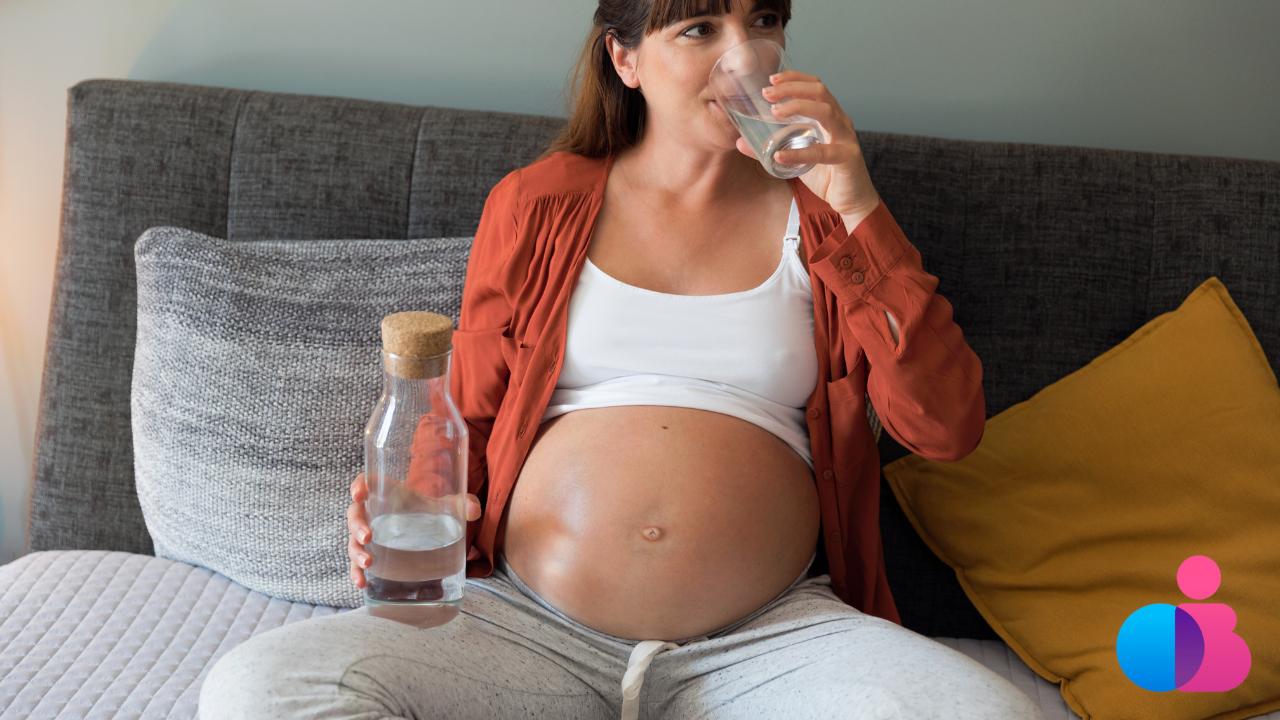
Why “just drink more water” isn’t helpful—and what actually supports nausea, energy, and baby’s growth
Written and reviewed by Dr. Bill Chun, OB-GYN with 35+ years of clinical experience.
Hydration advice in early pregnancy is everywhere, and most of it is unhelpful.
“Drink more water.”
“Carry a bigger bottle.”
“Just sip all day.”
If it were that simple, women wouldn’t struggle so much.
The reality is that early pregnancy hydration is harder than it looks, and when hydration slips, it can worsen nausea, fatigue, headaches, dizziness, and even food aversions. Then anxiety sets in, not because something is dangerous, but because the advice doesn’t match the experience.
This article will walk through the most common hydration myths, explain what’s actually happening in early pregnancy, and offer realistic ways to stay hydrated without forcing yourself to gag on another glass of plain water.
Why Hydration Matters More in Early Pregnancy
Early pregnancy brings rapid physiologic change.
Blood volume begins to expand. Hormones shift how your kidneys handle fluid. Blood pressure often drops slightly. At the same time, nausea, vomiting, food aversions, and smell sensitivity can make drinking feel unpleasant.
That combination means:
- You need more fluid
- You tolerate less fluid
- You’re often told to “just drink more”
When hydration falls behind, symptoms stack:
- Fatigue worsens
- Nausea intensifies
- Headaches appear
- Lightheadedness increases
Hydration doesn’t solve everything, but poor hydration makes almost everything feel worse.
Myth #1: “Just Drink More Water”
This is the most common—and least helpful—advice.
For many pregnant women, plain water:
- Tastes metallic or “off”
- Triggers nausea
- Feels heavy in the stomach
Forcing water often leads to gagging, vomiting, or complete avoidance.
Hydration is not about volume alone.
It’s about what you can tolerate and absorb.
Myth #2: “If Your Urine Is Dark, You’re Failing”
Urine color can be a rough guide, but it’s not a moral judgment.
Morning urine is often darker due to overnight concentration. Mild variations throughout the day are normal. Obsessing over color adds stress without improving intake.
What matters more is:
- Overall fluid intake across the day
- Whether symptoms improve with hydration
- Whether dizziness or headaches ease when fluids increase
Hydration is a pattern, not a snapshot.
Myth #3: “Electrolytes Are Unnecessary”
Electrolytes are often dismissed as “sports drinks” or unnecessary extras.
In early pregnancy, electrolytes can be very helpful.
Why?
- Sodium helps retain fluid
- Small amounts of glucose improve absorption
- Balanced electrolytes reduce the feeling of water “sloshing”
For some women, adding electrolytes makes hydration possible again.
This isn’t about sugary drinks. It’s about absorption and tolerance.
Why Nausea and Hydration Are So Closely Linked
Dehydration worsens nausea. Nausea reduces intake. It’s a loop.
When fluid intake drops:
- Stomach emptying slows
- Acid irritation increases
- Blood pressure dips
All of this can intensify queasiness.
This is why addressing hydration—gently, creatively, and early—often improves nausea more than forcing food.
What Actually Helps With Hydration in Early Pregnancy
Smaller Amounts, More Often
Large volumes can overwhelm a sensitive stomach.
Sips every 10–15 minutes are often better tolerated than full glasses.
Temperature Matters
Many women tolerate:
- Cold drinks
- Ice chips
- Slightly chilled fluids
Warm or room-temperature water often worsens nausea.
Flavor Is Not the Enemy
A splash of juice, citrus, or electrolyte mix can dramatically improve tolerance.
Plain water isn’t superior if you can’t keep it down.
Think Beyond Water
Hydration can come from:
- Broths
- Popsicles
- Smoothies
- Soups
- Diluted juice
Fluid is fluid.
Electrolytes: How to Use Them Wisely
Electrolytes don’t need to be extreme or constant.
Helpful situations include:
- Persistent nausea
- Lightheadedness
- Headaches
- Low appetite
- Hot weather
Look for options with:
- Moderate sodium
- Minimal added sugar
- Clean ingredient lists
You’re supporting hydration, not training for endurance sports.
When Hydration Problems Mimic Other Issues
Poor hydration can look like:
- Low blood pressure
- Frequent headaches
- Fatigue that feels disproportionate
- Dizziness when standing
These symptoms can be alarming if misunderstood.
Before assuming something is wrong, hydration is often the first—and simplest—thing to address.
When Hydration Becomes a Medical Issue
While most hydration struggles are manageable, some situations need attention.
Call your provider if:
- You can’t keep fluids down for 24 hours
- You’re urinating very infrequently
- Dizziness is persistent or severe
- Vomiting is ongoing
This isn’t about toughness, it’s about preventing dehydration before it escalates.
Early intervention is usually simple and effective.
The Emotional Toll of Being Told “You’re Not Trying Hard Enough”
One of the quiet harms of hydration myths is shame.
Women are often made to feel:
- Weak for struggling
- Anxious about “failing” the baby
- Frustrated by advice that doesn’t work
Early pregnancy already demands adaptation. Adding guilt doesn’t help.
Hydration challenges are physiologic, not motivational.
Why Hydration Often Improves in the Second Trimester
As hormone levels stabilize and nausea eases, hydration usually becomes easier.
Many women notice:
- Improved thirst signals
- Better tolerance of fluids
- Less dizziness
This transition is gradual, not something you’ve missed or done wrong.
How the System Sometimes Overcomplicates Hydration
Hydration advice often becomes overly rigid:
- Specific ounce targets
- Strict rules
- Fear-based warnings
This can backfire, leading women to disengage entirely.
Effective guidance is flexible, realistic, and compassionate.
How We Support Hydration Inside the Empowered Pregnancy Birth Hub
Hydration is one of the most common early pregnancy struggles, and one of the least personalized.
- Practical hydration strategies that adapt to nausea
- Clear guidance on when to worry, and when not to
- Q&A support when symptoms overlap or confuse
- Community reassurance grounded in physiology, not pressure
The goal isn’t perfect intake.
It’s steady support of your changing body.
Why Getting Hydration Right Early Pays Off Later
Women who address hydration early often experience:
- Less severe nausea
- Fewer headaches
- Better energy
- More confidence navigating symptoms
This sets a tone of self-trust that carries into later pregnancy and labor.
Listening to your body early teaches you how to listen later.
The Bottom Line
Early pregnancy hydration is not about forcing water.
It’s about:
- Tolerance
- Absorption
- Flexibility
If plain water doesn’t work, that doesn’t mean you’re doing it wrong. It means your body needs a different approach right now.
Most hydration struggles improve with time, creativity, and compassion.
You don’t need to push harder.
You need to work with your physiology.
Pregnancy Support That’s Actually Helpful
If you want guidance that actually accounts for the realities of pregnancy, the Empowered Pregnancy Program offers clear, physiology-based support—so you’re not left guessing or forcing advice that doesn’t work for your body.
Members of Empowered Pregnancy get:
- direct access to Dr. Bill Chun (OB-GYN with 35+ years of experience)
- simple, evidence-based PDFs on pregnancy topics
- meditations and calming tools
- a supportive community of pregnant women navigating the same questions
Doula Education That Goes Deeper
If you want doula training that reflects the realities of modern birth work, Doula Unbound provides clinically informed education and mentorship—so you can think critically, communicate clearly, and show up with confidence in complex situations.
Join the next Doula Unbound cohort and access:
- Weekly live lectures with Dr. Chun on obstetrics and how to better support your clients
- PDF resources for both you and your clients
- Courses on common pregnancy complications like Gestational Diabetes
- Chat based Q&A with Dr. Chun and a supportive community of other doulas
- Certification upon completion of the course
Related Reading