
What Really Happens at 12–20 Week Prenatal Visits
Why these appointments matter more than most women are told
Written and reviewed by Dr. Bill Chun, OB-GYN with 35+ years of clinical experience.
By the time most women reach the second trimester, the emotional tone of pregnancy shifts.
The shock has worn off.
The nausea often eases.
The visits start to feel… routine.
That’s not accidental.
Between 12 and 20 weeks, prenatal care often moves into what I’d call maintenance mode. Appointments are shorter. Testing is lighter. There’s less drama.
And yet, quietly, this window sets the tone for the rest of the pregnancy.
Not because of one test.
Not because of one ultrasound.
But because of what does and doesn’t get explained.
This article is here to pull back the curtain—so you know what’s happening, why it matters, and what questions are worth asking.
Why the 12–20 Week Window Is So Important
From a medical standpoint, early second trimester visits are about three things:
- Establishing a baseline
- Identifying patterns early
- Confirming that pregnancy is unfolding normally, not perfectly
This is also when the placenta is fully taking over hormone production, blood volume is expanding rapidly, and blood pressure often runs lower than usual.
In other words, your body is doing a lot, even if the visits feel quiet.
What Typically Happens at These Visits
Let’s walk through what most women experience during routine 12–20 week appointments.
Blood Pressure, Weight, and Urine Checks
These are screening tools, not verdicts.
- Blood pressure helps establish a trend, not a diagnosis
- Weight is recorded but rarely contextualized well
- Urine tests screen for protein and infection, not hidden danger
One abnormal reading doesn’t define anything. Patterns do.
Fetal Heart Rate Checks
Hearing the heartbeat is reassuring—but medically, it’s simply confirmation that the pregnancy is ongoing at that moment.
It does not predict how labor will go.
It does not guarantee future outcomes.
It’s a snapshot.
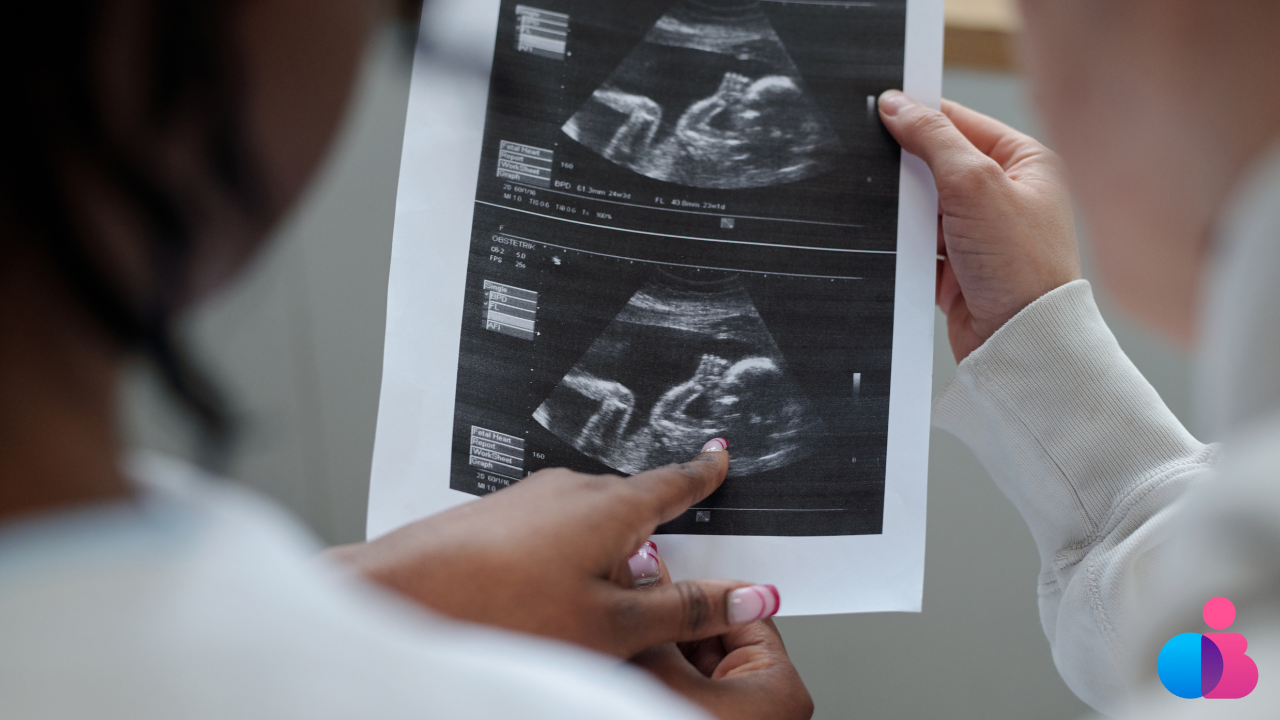
The Anatomy Ultrasound (Usually Around 18–20 Weeks)
This is the most substantial event in this window.
The anatomy scan evaluates:
- Major organ development
- Placenta location
- Amniotic fluid levels
- Growth consistency
Most results are normal. When something is unclear, it often leads to follow-up, not conclusions.
Silence afterward usually means reassurance, not neglect.
What Often Doesn’t Get Explained (But Should)
This is where anxiety creeps in, not from what’s done, but from what’s assumed.
“Everything Looks Fine” — What That Actually Means
It means:
- No major abnormalities were identified
- Growth is appropriate for gestational age
- Placenta placement is acceptable right now
It does not mean:
- Nothing can ever change
- No monitoring will be needed later
- Your role in observing your body is over
Pregnancy is dynamic.
Why Visits Are Shorter Now
Early pregnancy focuses on diagnosis. Late pregnancy focuses on surveillance.
The middle often gets compressed, not because it’s unimportant, but because the system assumes stability.
That assumption is usually correct. But it works best when women understand what to watch for between visits.
Common Questions Women Have (But Rarely Ask)
Here are questions I wish more women felt comfortable asking during this phase:
- “What changes should prompt me to call between visits?”
- “What symptoms are common at this stage?”
- “What decisions later in pregnancy does this visit influence?”
- “How does my placenta location affect future planning?”
Asking these questions doesn't make you an anxious patient, it makes you informed.
Weight, Blood Pressure, and the Myth of Control
This is often where unnecessary stress enters prenatal care.
Weight
Weight gain is not linear. It’s not identical from one woman to the next. Early second trimester weight tells me very little in isolation.
What matters more:
- Overall trajectory
- Nutrition quality
- Metabolic health
Obsessing over single numbers helps no one.
Blood Pressure
Blood pressure often dips in the second trimester. That’s normal.
One elevated reading, especially in a stressful setting, does not equal disease. Repeated elevations over time are what matter.
This is why understanding trends matters more than reacting to isolated values.
What These Visits Are Quietly Preparing For
Even if it doesn’t feel like it, the 12–20 week window lays groundwork for later decisions.
It influences:
- How growth is interpreted in the third trimester
- How placenta-related findings are monitored
- How confidently later symptoms are assessed
When women understand this phase, they’re less likely to feel blindsided later.
Why Some Women Feel Dismissed During This Time
I’ve heard this countless times:
“My visits feel rushed now.”
Often, that’s true. But what’s usually missing isn’t care, it’s context.
When women aren’t told why things are quiet, silence gets interpreted as neglect. When providers don’t explain what’s coming next, uncertainty fills the gap.
Good care isn’t just what you do, it’s also what you explain.
How to Make the Most of These Appointments
You don’t need a long list of demands. You need clarity.
Before your visit, ask yourself:
- Has anything changed since last time?
- Are any symptoms new or persistent?
- Do I understand what this visit is meant to accomplish?
If you leave knowing:
- What was checked
- What wasn’t checked (and why)
- What to watch for next
…then the visit did its job.
How This Fits Into the Bigger Picture of Pregnancy Care
The second trimester is often when women stop Googling as much, and start trusting the process.
That’s good. But blind trust isn’t the goal.
The goal is informed partnership, where you understand enough to stay grounded without becoming hypervigilant.
That balance is learned here.
How We Support This Inside the Birth Hub
This exact stage—quiet, transitional, often underexplained—is where many women benefit from additional support.
Inside the Empowered Pregnancy Program, the Second Trimester experience includes:
- A visit-by-visit roadmap explaining purpose, not just procedures
- Downloadable prep guides so you know what to ask before you walk in
- Chat-based Q&A where questions aren’t rushed
- Community discussions that normalize what is and isn’t addressed at visits
The goal isn’t to replace your provider, it’s to help you use your visits well.
Why Understanding This Phase Reduces Anxiety Later
Women who understand the 12–20 week window tend to:
- Panic less when visits are brief
- Ask better questions later
- Feel more confident navigating the third trimester
They’re not caught off guard when monitoring increases, they understand why.
Knowledge doesn’t create fear.
Lack of context does.
The Bottom Line
The 12–20 week visits aren’t about constant testing, they’re about establishing a steady course.
Quiet doesn’t mean careless.
Routine doesn’t mean irrelevant.
When you understand what’s happening, and what’s not, you can move through this phase with calm confidence instead of second-guessing.
That’s the point.
Want to Understand What’s Actually Happening Between Visits?
The Empowered Pregnancy Program exists to fill that gap.
Access trimester-specific modules, Q&A with Dr. Chun, searchable PDFs on pregnancy topics, calming tools, meditations, and a private, supportive community of moms navigating the same journey.
Join Empowered Pregnancy and get compassionate, personalized guidance for your entire pregnancy.
Stay connected with news and updates!
Join our mailing list to receive the latest news and updates from our team.
Don't worry, your information will not be shared.
We hate SPAM. We will never sell your information, for any reason.