
Pregnancy Food Aversions: Myths vs Truth
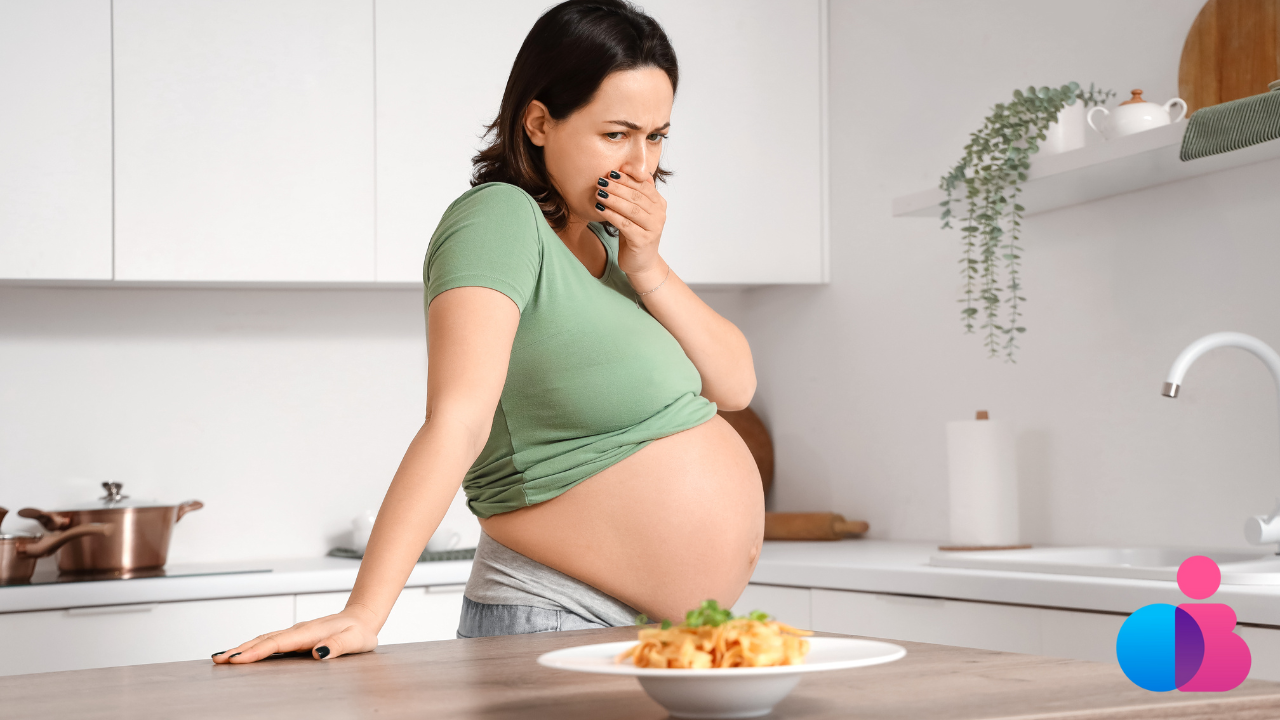
Why food suddenly feels wrong, and what actually helps
Written and reviewed by Dr. Bill Chun, OB-GYN with 35+ years of clinical experience.
Few things surprise women more in early pregnancy than food aversions.
Foods you loved last month suddenly feel unbearable. Smells linger too long, textures trigger nausea, even the thought of certain meals can make your stomach turn.
And almost immediately, anxiety follows:
- “Am I hurting the baby?”
- “Why can’t I just eat normally?”
- “Should I force myself through this?”
Let’s be clear from the start:
Food aversions in pregnancy are common, biologic, and rarely dangerous.
What is dangerous is the guilt and misinformation layered on top of them.
This article will explain what’s actually happening, which myths to stop believing, and how to nourish yourself without turning every meal into a battle.
Why Food Aversions Happen in the First Place
Food aversions aren’t a personal failure. They’re not a sign of weakness or lack of discipline.
They’re a biologic response to hormonal shifts, particularly rising levels of human chorionic gonadotropin (hCG) and estrogen.
These hormones affect:
- Smell sensitivity
- Taste perception
- Gastrointestinal motility
Your brain and gut are communicating differently right now. Foods that were neutral before may suddenly register as threatening, even if they aren’t.
From an evolutionary standpoint, this likely served as a protective mechanism, steering pregnant women away from foods that might carry risk during a vulnerable developmental window.
Modern kitchens are safer.
Your physiology hasn’t changed.
Myth #1: “You’re Harming the Baby if You Can’t Eat Well”
This is one of the most damaging myths in pregnancy.
In early pregnancy, the baby’s nutritional needs are modest. The placenta is still developing, and the embryo relies heavily on stored maternal nutrients.
Missing vegetables for a few weeks does not harm your baby.
Eating crackers for survival does not doom development.
What matters most early on is:
- Staying hydrated
- Consuming something tolerable
- Avoiding prolonged starvation
Perfection is not required.
Myth #2: “Just Push Through, Your Body Will Adjust”
Forcing yourself to eat foods your body is rejecting often backfires.
It can:
- Worsen nausea
- Trigger vomiting
- Create long-term aversions
Listening to your body during this phase isn’t indulgent, it’s adaptive.
Pushing through may satisfy external expectations, but it rarely improves intake or well-being.
Myth #3: “Cravings and Aversions Mean Deficiency”
Cravings and aversions are often blamed on nutrient deficiencies.
While deficiencies can influence appetite, most pregnancy aversions occur without any measurable deficiency. They’re hormonally driven, not diagnostic clues.
Chasing supplements to “fix” aversions usually adds stress without benefit.
What Food Aversions Usually Look Like
Most women experience:
- Aversion to strong smells (meat, eggs, coffee)
- Preference for bland, simple foods
- Texture sensitivity (especially to mixed or heavy foods)
- Day-to-day variability
Importantly, aversions tend to:
- Peak in the first trimester
- Gradually ease by the second
- Resolve almost completely postpartum
If yours are lingering longer, that doesn’t mean something is wrong—it just means your timeline is different.
What Actually Helps (Without Making You Miserable)
Focus on Protein, Creatively
Protein matters, but it doesn’t have to come from traditional sources.
If meat is unbearable, consider:
- Greek yogurt
- Cottage cheese
- Nut butters
- Protein-enriched smoothies
Cold foods often trigger less nausea than hot ones.
Temperature and Texture Matter More Than You Think
Warm, greasy foods often worsen nausea. Cool, crisp, or smooth foods are frequently better tolerated.
This isn’t about willpower. It’s about sensory input.
Eat Small, Often, and Without Rules
Waiting until you’re hungry often means nausea has already set in.
Gentle, frequent intake—even if repetitive—is better than forcing large meals.
Hydration: The Overlooked Piece
Dehydration can mimic or worsen nausea, fatigue, and food aversions.
If plain water feels intolerable, try:
- Electrolyte-enhanced drinks
- Ice chips
- Diluted juice
- Broths
Hydration doesn’t have to be perfect, it just has to be consistent.
When Food Aversions Signal Something Else
While most aversions are benign, a few scenarios deserve attention.
Call your provider if:
- You can’t keep fluids down for 24 hours
- You’re losing weight rapidly
- You feel weak, dizzy, or lightheaded
- Vomiting is persistent and severe
This isn’t about toughness. It’s about preventing dehydration and electrolyte imbalance.
The Emotional Weight of Food Guilt
Food aversions don’t just affect nutrition. They affect identity.
Many women feel:
- Ashamed for not eating “well”
- Frustrated by loss of control
- Disconnected from their usual routines
This emotional burden often outweighs any physical risk.
Pregnancy is one of the first times many high-functioning women experience their body saying “no” without negotiation. That can be deeply unsettling.
The answer isn’t more discipline, it’s more compassion.
Why This Phase Often Improves on Its Own
As the placenta matures and hormone levels stabilize, the sensory overload eases.
Many women notice:
- Appetite returning in the second trimester
- Aversions softening rather than disappearing abruptly
- Greater tolerance for variety
This transition is gradual, there’s no switch you’ve missed.
If you’re entering the second trimester, it’s helpful to understand what’s normal during this phase. What Really Happens at 12–20 Week Visits provides context for these changes.
How the System Sometimes Makes This Worse
Well-meaning advice often amplifies guilt:
- “Just eat healthier.”
- “You need more protein.”
- “The baby needs vegetables.”
These statements lack nuance and empathy.
Good care meets women where they are, not where someone thinks they should be.
How We Support This Inside Empowered Pregnancy
Food aversions are one of the most common reasons women feel like they’re “failing” early pregnancy, when they’re not.
Inside Empowered Pregnancy, members have access to:
- Q&A support when symptoms feel confusing or persistent
- Peer discussions that normalize imperfection
- Meditations and calming tools for when pregnancy gets overwhelming
This isn’t about optimizing macros.
It’s about getting through a hard phase without unnecessary shame.
Why Letting Go of Food Perfection Matters Later
How you treat yourself during food aversions sets a tone.
Women who practice flexibility early tend to:
- Stress less later in pregnancy
- Adapt more easily to changing needs
- Approach labor with less rigidity
The goal is adaptation, not control.
The Bottom Line
Food aversions are not a failure.
They are a normal, temporary response to pregnancy hormones.
You don’t need to force foods that make you sick.
You don’t need to earn pregnancy by suffering.
You need hydration, gentleness, and time.
Most bodies find their way back to balance—quietly, without drama.
Trust that process.
Need Support while Navigating Food Aversions?
Join Empowered Pregnancy for calm, evidence based support when food aversions make eating difficult.
Access a private community of moms, Q&A with Dr. Chun, meditations and calming tools, and searchable PDFs on pregnancy topics, all designed to help you feel informed, supported, and less alone.
Connect with other moms who understand what you're experiencing and get expert guidance along the way through Empowered Pregnancy.
Related Reading:
- Morning Sickness Myths & Tips with Dr. Bill Chun
- Safe Exercise in the Second Trimester
- First Trimester Anxiety with Dr. Bill Chun
Stay connected with news and updates!
Join our mailing list to receive the latest news and updates from our team.
Don't worry, your information will not be shared.
We hate SPAM. We will never sell your information, for any reason.