
VBAC: Myths, Risks, and Real Conversations
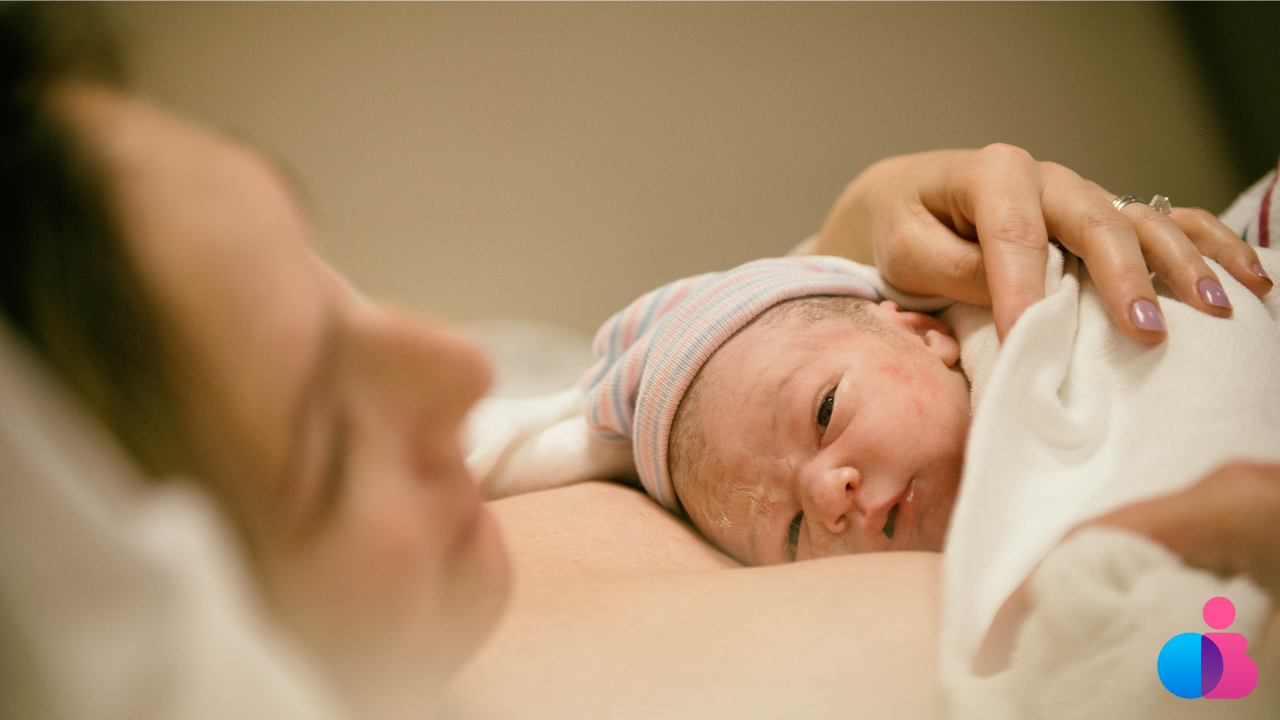
What’s true, what’s fear, and how to talk to your OB without being shut down
Written and reviewed by Dr. Bill Chun, OB-GYN with 35+ years of clinical experience.
Few topics in obstetrics are as emotionally charged, or as poorly explained, as VBAC.
For some women, it’s presented as reckless.
For others, it’s framed as a badge of honor.
For many, it’s quietly discouraged without a real conversation.
None of those approaches serve women well.
VBAC (vaginal birth after cesarean) is neither a guarantee nor a gamble. It is a clinical option, with real benefits, real risks, and real nuance that often gets lost in a system built around speed, liability, and predictability.
This article isn’t about convincing you to pursue a VBAC.
It’s about helping you understand it clearly enough to decide without fear.
Why VBAC Is Still So Misunderstood
Decades ago, VBAC was common. Then came a shift, driven not by sudden changes in women’s bodies, but by changes in the medical system.
Malpractice pressure increased.
Hospital policies tightened.
Convenience and predictability gained value.
Somewhere along the way, nuance disappeared.
Instead of individualized counseling, many women began hearing blanket statements:
- “Once a C-section, always a C-section.”
- “VBAC is too dangerous.”
- “We don’t offer that here.”
Those statements are not medical truths.
They are institutional shortcuts.
Common VBAC Myths (And Why They Persist)
Myth #1: “Once a C-Section, Always a C-Section”
This is one of the most enduring myths in obstetrics, and one of the least accurate.
For women with a prior low transverse uterine incision (the most common type), VBAC is a reasonable and evidence-supported option in many cases.
The myth persists because repeat cesareans are:
- Predictable
- Easier to schedule
- Perceived as legally safer
Predictability benefits systems. It doesn’t always benefit women.
Myth #2: “VBAC Is Too Dangerous”
VBAC does carry risks. So does repeat cesarean.
What’s often missing is context.
The most discussed risk—uterine rupture—is real, but rare. For appropriately selected candidates, the risk is typically well under 1%. That number matters, but it needs to be compared honestly against the risks of multiple surgeries.
Fear thrives in isolation. Perspective restores balance.
Let’s Talk About Real Risks—Without Drama
Uterine Rupture
This is the complication most people focus on, and for good reason. A uterine rupture can be serious.
But serious does not mean common.
Risk depends on:
- Type of prior uterine incision
- Number of prior cesareans
- Whether labor starts spontaneously or is induced
Spontaneous labor carries lower risk than induction. That distinction often gets glossed over in counseling.
Emergency Cesarean
A planned VBAC attempt can still end in a cesarean. That doesn’t mean the attempt “failed.” It means labor unfolded differently than hoped.
Importantly, most emergency cesareans after a VBAC attempt are not catastrophic. They are done because labor isn’t progressing, not because something dramatic occurred.
Induction Changes the Equation
Inducing labor in a VBAC candidate increases risk. This is one reason some providers are uncomfortable offering VBAC—it requires patience, not protocols.
This connects directly to the broader issue of rising intervention rates, something we explore more deeply in Why C-Section Rates Are Rising.
What Often Gets Ignored: The Risks of Repeat Cesareans
Repeat cesareans are often framed as the “safe” option. Safer than what?
Each surgery adds cumulative risk:
- Adhesions
- Bleeding
- Infection
- Placental complications in future pregnancies
The first repeat cesarean may feel straightforward. The fourth often isn’t.
VBAC isn’t just about this birth.
It’s about your reproductive future.
What Actually Makes Someone a Good VBAC Candidate
VBAC candidacy is not binary. It’s individualized.
Factors that support a safer VBAC include:
- One prior low transverse cesarean
- A prior vaginal birth (before or after cesarean)
- Spontaneous labor
- A supportive hospital environment
Factors that require more caution:
- Multiple prior cesareans
- Unknown incision type
- Need for induction
Notice what’s missing from this list:
Age, body type, and arbitrary rules.
Those get emphasized far more than they should.
Hospital Culture Matters More Than Most People Realize
Two women with identical medical histories can have very different VBAC experiences depending on where they deliver.
Some hospitals:
- Have supportive policies
- Encourage patience
- Are comfortable with physiologic labor
Others:
- Default to time limits
- Discourage mobility
- Push early intervention
VBAC success is not just about the uterus.
It’s about the environment.
This is why choosing your birth setting, and understanding how it handles change, is critical. We explore that more in Choosing Your Birth Setting.
How to Talk to Your OB About VBAC (Without Triggering Defensiveness)
This conversation matters, and how you approach it matters.
Instead of asking:
- “Will you let me have a VBAC?”
Try asking:
- “How do you counsel patients about VBAC?”
- “What factors make you more or less comfortable supporting one?”
- “How does your hospital handle spontaneous labor after cesarean?”
You’re not asking for permission.
You’re gathering information.
Pay attention not just to the answers, but to the tone. Dismissiveness early rarely improves later.
If you want help structuring these conversations, the Birth Plan Your OB Will Respect guide walks through language that builds collaboration instead of resistance.
When VBAC Isn’t the Right Choice, and That’s Okay
Not every woman should pursue a VBAC. Not every woman wants to.
Choosing a repeat cesarean can be thoughtful, empowered, and appropriate. The problem isn’t the choice. The problem is when choice is replaced by fear or silence.
Informed consent goes both ways:
- Understanding risks of VBAC
- Understanding risks of repeat surgery
Anything less is incomplete care.
How We Approach VBAC Inside Empowering Pregnancy
VBAC discussions shouldn’t happen in five rushed minutes at the end of an appointment.
Inside Empowering Pregnancy, members have access to:
- A downloadable VBAC decision guide you can review at your own pace
- Chat-based Q&A where questions aren’t minimized
- Moderated discussions with women who’ve made different choices, and respect each other’s decisions
This isn’t about promoting one outcome.
It’s about restoring agency.
Why This Conversation Changes More Than One Birth
How VBAC is discussed reflects a larger issue in maternity care:
Are women trusted to understand nuance, or are they managed through fear?
When women are given clear information, most make thoughtful decisions. Some choose VBAC. Some don’t. Both deserve respect.
The goal isn’t a specific birth story.
It’s a woman who feels heard, informed, and supported.
That’s good medicine.
The Bottom Line
VBAC is not reckless.
Repeat cesarean is not automatically safer.
And silence is not informed consent.
VBAC deserves a real conversation, grounded in evidence, context, and respect.
You don’t need certainty.
You need clarity.
And clarity begins with honest information.
Ready for a Real VBAC Conversation, Not a Rushed One?
Inside Empowering Pregnancy you’ll find clear, evidence-based VBAC education, a step-by-step decision guide, and support that respects your values, not hospital shortcuts. You’ll also have access to Dr. Chun, an experienced OB-GYN, to help answer questions, clarify risks and benefits, and support truly informed decision-making.
Get the clarity you deserve before you decide.
Stay connected with news and updates!
Join our mailing list to receive the latest news and updates from our team.
Don't worry, your information will not be shared.
We hate SPAM. We will never sell your information, for any reason.